


Project Construction
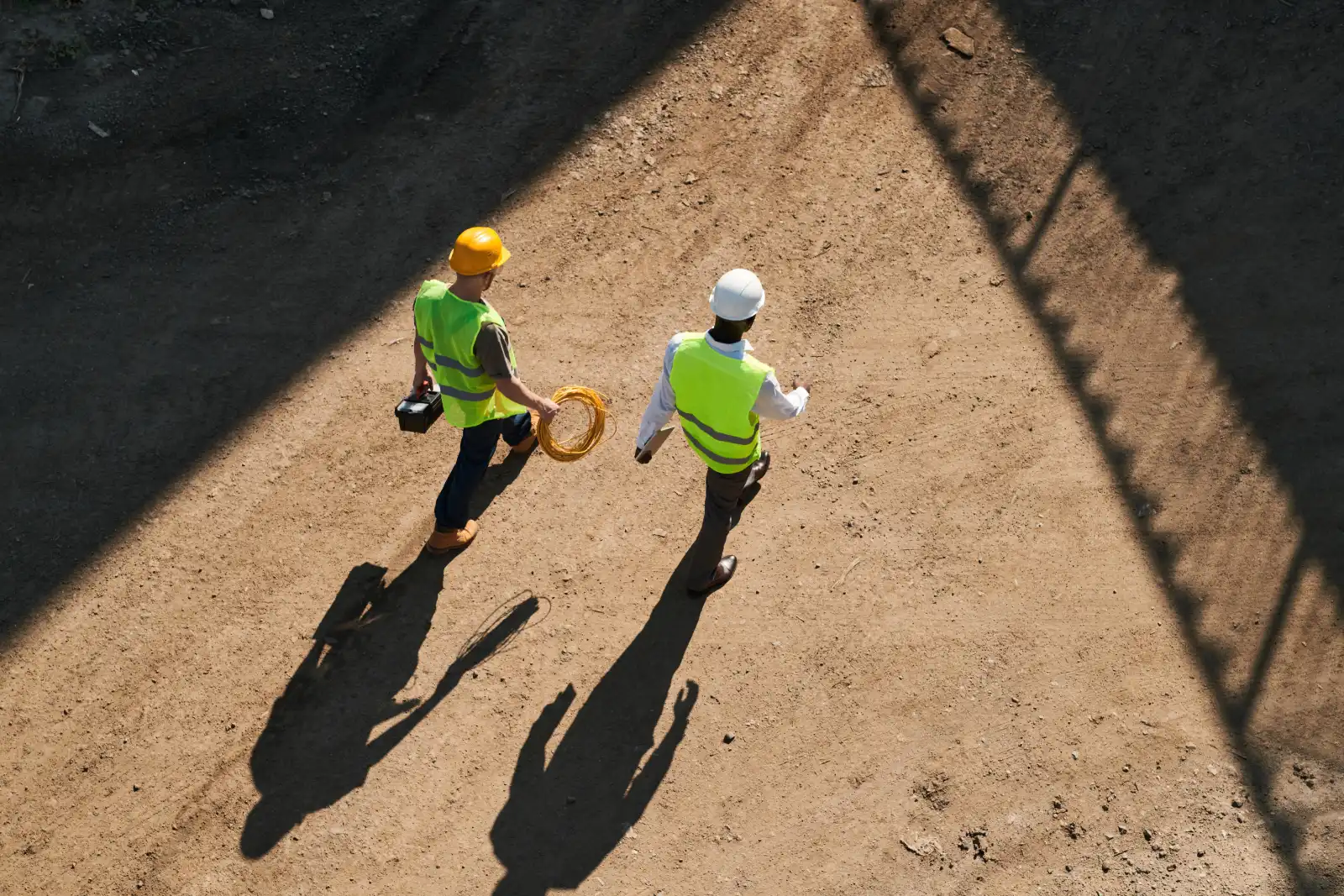
Sigmat specializes in the construction of projects of various sizes and complexity, covering a wide range of needs in the fields of energy projects, road construction, residential, commercial, and tourist accommodation, as well as construction project sections. Using modern technologies and innovative construction methods, we ensure high quality, durability, and functionality in every project we undertake.
What are the stages of constructing a project?
The construction process involves critical stages that must be followed with precision and care. Strict adherence to and attention to these stages is crucial to achieving an excellent result in the construction of the project without any problems.
Stages
Preliminary Study and Design
The first phase of a construction project is the preliminary design phase, which some companies also refer to as the planning or initiation phase. During the preliminary design phase, project managers and their teams evaluate the requirements, objectives, and overall feasibility of the project and then establish a project budget to work with. This first phase is absolutely critical to the project as a whole because it allows stakeholders to evaluate whether it is a good idea to actually proceed with the project. It also sets a solid foundation for how all aspects of the project will be executed if it does proceed.
The second phase of a construction project is the design stage, commonly known as the pre-construction stage.
This is when comprehensive plans are drawn up for the final design of the construction and all the preparation required to start construction is carried out. For example, a project roadmap will be created to describe what needs to be done and how it will be achieved. Design drawings will be prepared and cost estimates will be evaluated.
The design development work undertaken at this stage is critical to finding the right equipment and materials in the procurement phase.
Licensing and Legal Procedures
Obtaining the necessary permits and approvals from the relevant authorities is crucial. Zoning regulations, compliance with environmental standards, and adherence to the institutional framework affect both the speed and legality of construction.
Project Organization and Preparation
At this stage, the resources for the construction of the project are selected, based on the work done in the design phase, using this preparation for the effective procurement, purchase, and transportation of the necessary materials, equipment, and services. The complexity of this stage depends on the size of the project, the expected start date, and the availability of resources. Assigning tasks to contractors and technicians, setting the schedule, anticipating potential delays, and securing the necessary resources are essential elements for the smooth progress of the work.
The organization and preparation of a construction project includes activities such as:
Procurement of materials: Materials are sourced and purchased, and team members coordinate to meet cost estimates and project completion deadlines.
Team formation: All necessary team members and contractors are hired. Depending on the scope of the project, subcontractors may also need to be hired for certain tasks (based on a bidding process).
The pre-construction meeting should cover:
Logistics and storage
Key contract details
Health and safety
Quality control
Potential design challenges
Manufacturing Process
This phase includes the commencement of construction work, the implementation of technical specifications, and the supervision of project progress. During the construction phase, the central stage belongs to the contractor and subcontractors. As the communication hub for the project, the construction manager and contractor will turn the project into a reality. The architect, engineers, and project manager perform quality control inspections, respond to requests for information (RFIs), and review and approve technical submissions. The priority is to ensure that the project is delivered by the contractor as designed.
Every task, from excavation and foundation work to structural erection and installation of electrical and mechanical systems, requires precision and attention to detail. Engineers and foremen ensure that quality standards are met and structural failures are avoided.
Quality Control and Testing
Quality control plays a critical role in ensuring the safety and durability of the structure. Material strength tests, structural integrity inspections, and functionality tests are conducted to verify that the project complies with specifications and regulations. Some project management methodologies have a separate phase here for monitoring and control. The construction manager monitors the budget, risk, insurance management, and scope using various project management techniques.
Delivery and Maintenance
The final stage involves completing the project and handing it over to the user. The owner must receive all necessary information about the project. This includes closing documents such as manuals, as-built drawings, accounting, and insurance. Of course, insurance must be changed from construction insurance to permanent property insurance. For larger projects, the post-construction phase is a standard procedure known as commissioning. Here, systems are checked to ensure they meet the specified requirements.